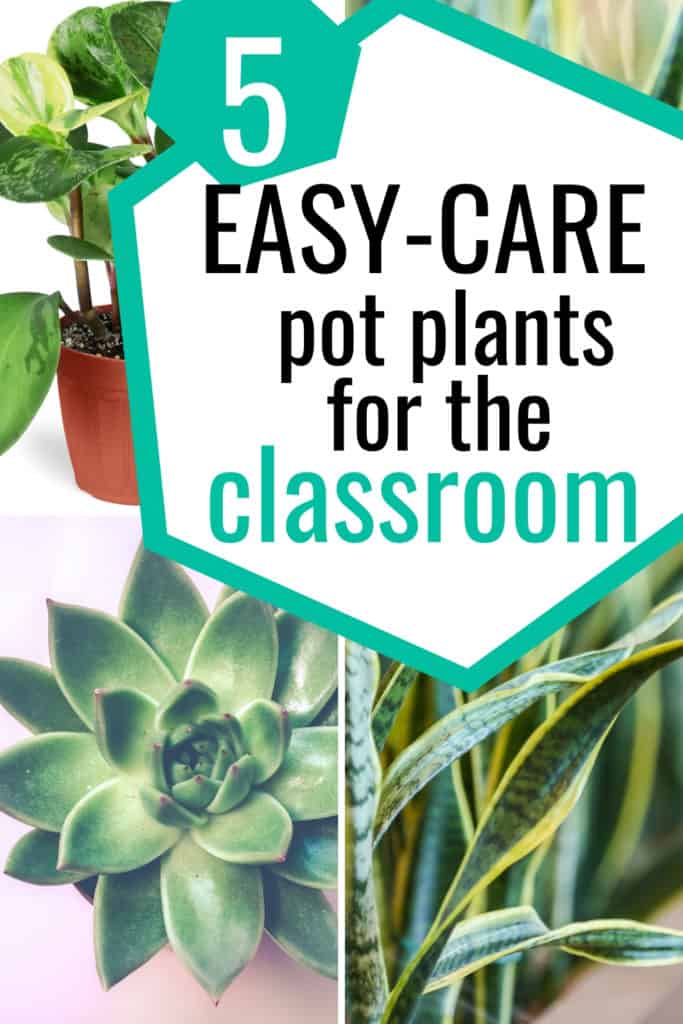
I’ve found that the best classroom plants are the ones that cope with indoor lighting conditions and won’t need much attention.
The nice thing about real plants is that they soften the room’s feel, which can help with stress levels during a busy school year. Additionally, scientific research, including work published in the Journal of Physiological Anthropology, links the presence of plants with benefits for mental health and cognitive function.
If you’ve tried fake plants before, switching to live plants can feel like a great way to reset the learning environment. Start with a small number of plants, then add new plants as your routine settles.
A simple classroom job roster helps with consistent care, and it also gives young learners hands-on experience with a living thing (it can feel like a class pet, just quieter). Following are some of the best classroom plants that give your classroom a natural feel and provide numerous other benefits to the atmosphere in your room overall.
Devil’s Ivy (Golden Pothos)
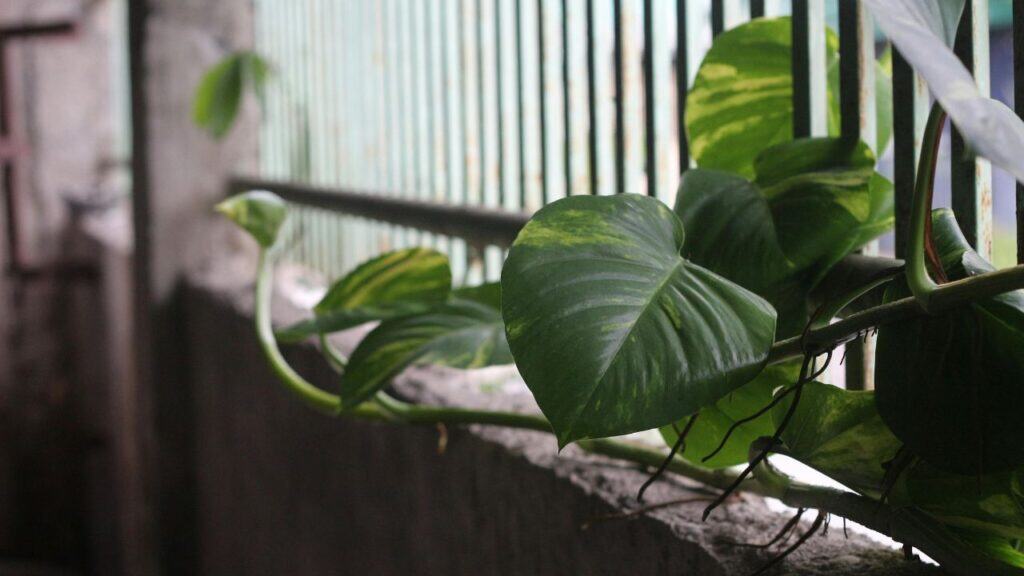
Devil’s ivy, also called golden pothos, is a great choice for low light conditions and small spaces. It grows well in indirect light, but it can also handle a dark classroom for stretches. Keep it away from direct sunlight, because harsh rays can scorch the leaves.
Water when the top few centimetres of soil feel dry, since too much water can lead to soft stems. Aim for good drainage, and tip out any water left in the pot saucer. If you want easy plant care, pothos plants are the best choice, especially when you’re managing mental fatigue.
Peace Lily
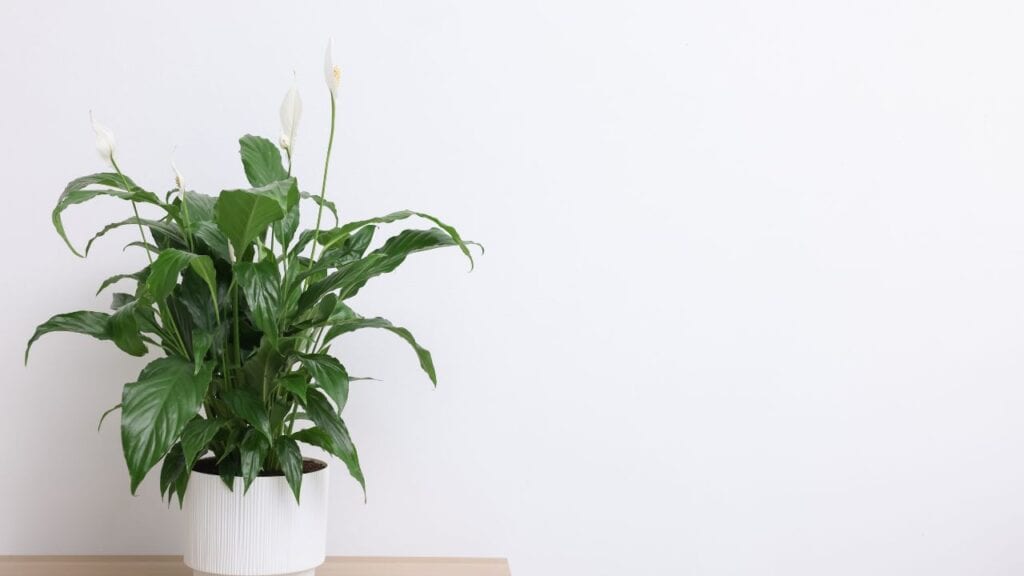
Peace lilies are a favourite classroom plant pick because they suit indoor lighting conditions and can cope with minimal sunlight. They prefer indirect light, although they’ll flower better in bright light. Avoid direct sunlight near hot windows, because it can brown the leaves.
Keep the soil lightly moist, but don’t drown it with much water. In winter months, water less often. For sensitive plants, using distilled water can reduce brown tips. As natural air purifiers, peace lilies can support cleaner air and better indoor air quality, which is a great option for a classroom environment.
Tip: to encourage the growth of the delightful white flowers, sprinkle ground-up eggshells on top of the soil and water in.
Spider Plant (Chlorophytum comosum)
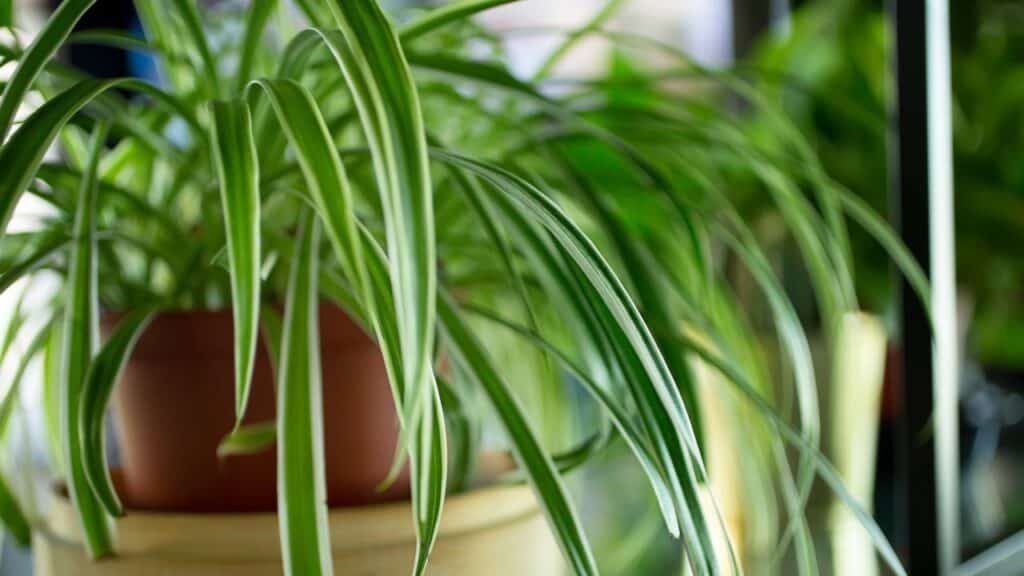
Spider plants (chlorophytum comosum) is a great addition to shelves and window areas, and it works well in a hanging basket. It prefers bright light and indirect light, although it also copes with lower indoor lighting conditions. Too much direct sunlight can fade leaves and dry the tips.
Water when the top layer dries out, then drain the excess. It sends out leaf stalks with baby plants, so it’s an easy fun project for young children. You can snip the babies from the parent plant (the mother plant) and pot them up for a quick classroom-friendly plants activity during spring break.
I know you love getting your room looking beautiful, but are you really WORKING SMARTER spending your time on this? Get the FREE Working Smarter Tips for Teachers HERE:
Succulents Make Great Classroom Plants
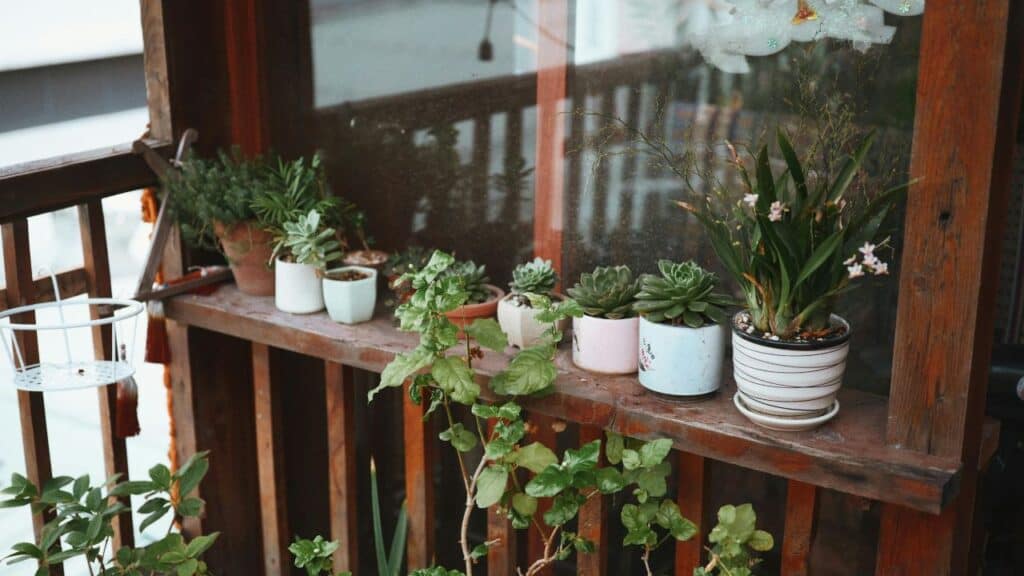
Succulents suit sunny sills and staffroom desks, but they need more light than many common indoor plants. Put them in bright light, and give them some gentle direct sunlight if you have it. In a dark classroom, they stretch and lose their shape.
Use a gritty mix and a terracotta pot, and never let the roots sit wet. Water deeply, then wait until the soil dries out fully. This is a great choice if you want ease of care, as long as you don’t give them much water.
ZZ Plant
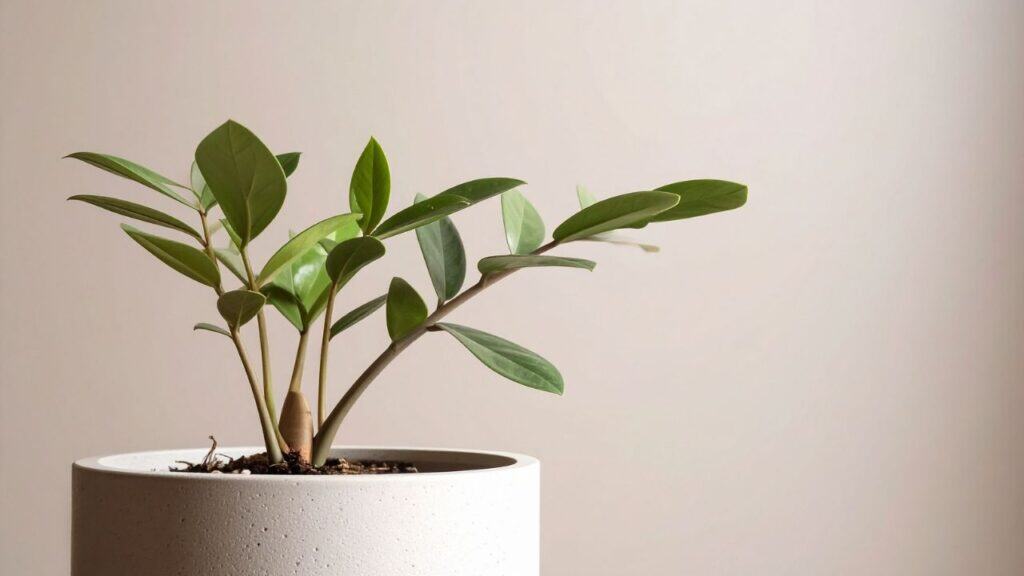
The zz plant is one of the common houseplants that keeps going even when routines fall apart. It copes with low light conditions and minimal sunlight, so it’s ideal for a classroom setting that relies on fluorescent lights. It also grows in bright light, but skip direct sunlight to prevent leaf burn.
Let the soil dry between watering, because the thick roots store water. Too much water causes yellowing and mushy stems, so go slow. If you’re choosing a great option for consistent care across the school year and even over summer break, the zz plant is a best plants pick.
Mother-in-law’s Tongue AKA Snake Plant

Mother-in-law’s tongue is another name for snake plant, and it’s a great plant for busy weeks. It tolerates low light conditions and indoor lighting conditions, which helps when windows stay shut. It can grow in bright light too, but keep it back from direct sunlight in hot weather.
Water sparingly, since this plant prefers dry soil. Choose a pot with good drainage, and don’t water again until the mix dries out. Next time you’re restocking your room, this is a great way to add greenery without extra work.
Jade Classroom Plants
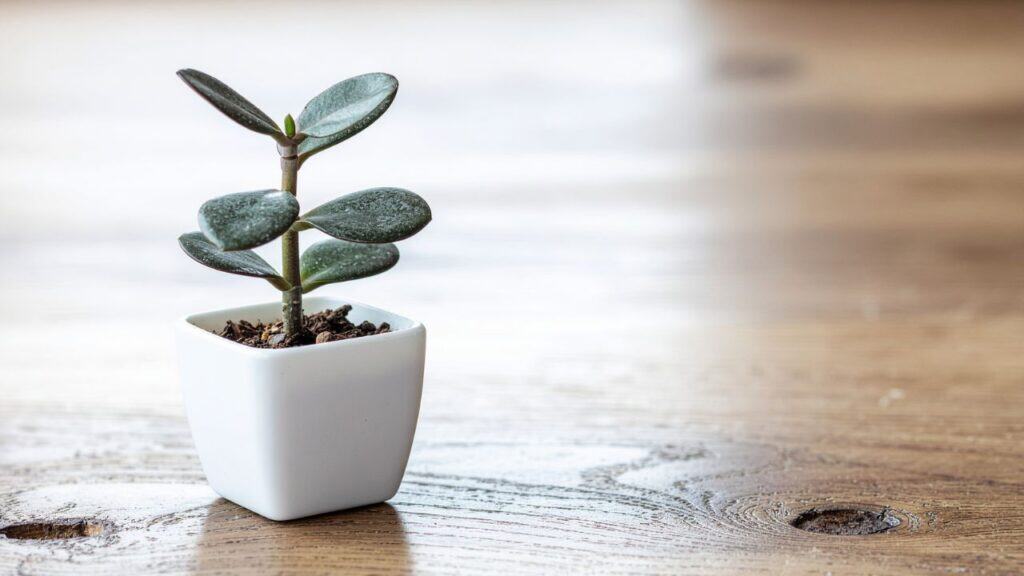
Jade plants are tough, tidy, and well-suited to a teacher desk, as long as there’s enough light. They do best in bright light, and they can handle some direct sunlight, especially morning sun. In low light conditions, growth slows and leaves may drop.
Use free-draining soil and a pot with good drainage, then water only when the soil has dried out. Jade plants store water in their leaves, so they don’t need much water. They’re a great choice if you want a long-lasting plant that doesn’t demand much attention.
Be more productive, and work much smarter in your classroom with these FREE Tips:
Lucky Bamboo Classroom Plants
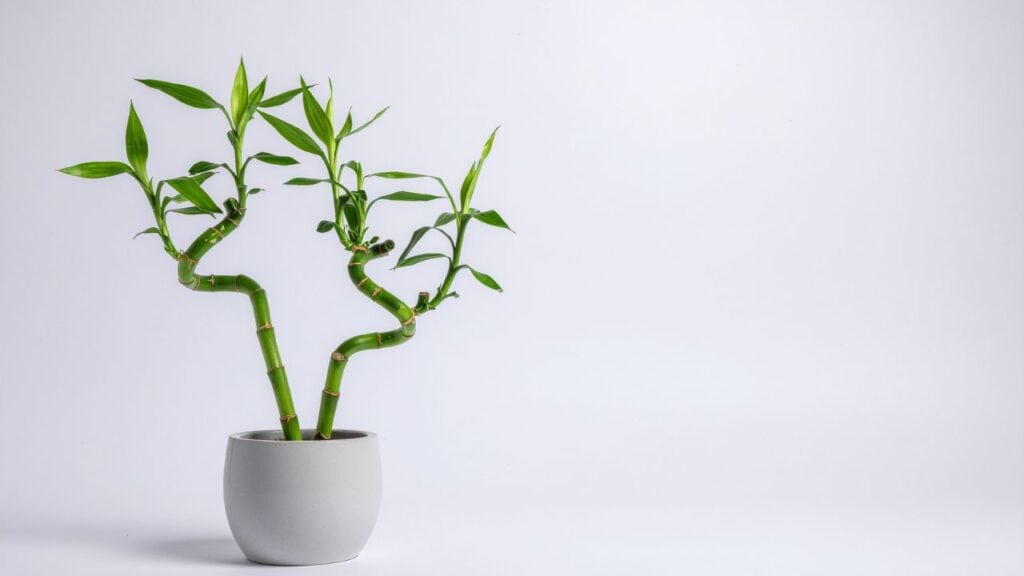
Lucky bamboo grows well in water, so it suits classrooms where spills are likely. It prefers indirect light, and it can live in low light conditions, but bright light helps it look its best. Avoid direct sunlight, since it can yellow the stems and leaves.
Change the water weekly, and rinse the container to keep it clean. Use distilled water if your tap water is harsh, because leaf tips can brown. This is a great option for small spaces, and it’s also an easy classroom job for students who like routine.
Aloe Vera Classroom Plants
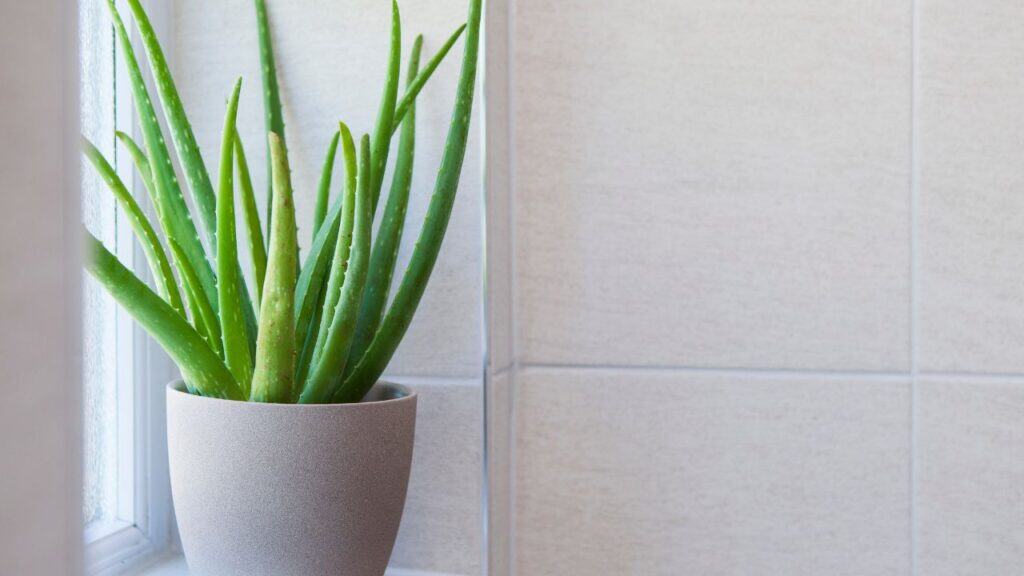
Aloe vera plants are practical and hardy, and they suit a sunny windowsill. They need bright light, and they can take some direct sunlight, although extreme heat can stress them. In low light conditions, the leaves soften, and growth slows.
Use a cactus mix with good drainage, and water only when the soil is fully dry. Aloe vera plants hate too much water, so less is better. If you’re away over spring break or winter months, this plant usually copes, which helps when you can’t offer consistent care.
Friendship Plant
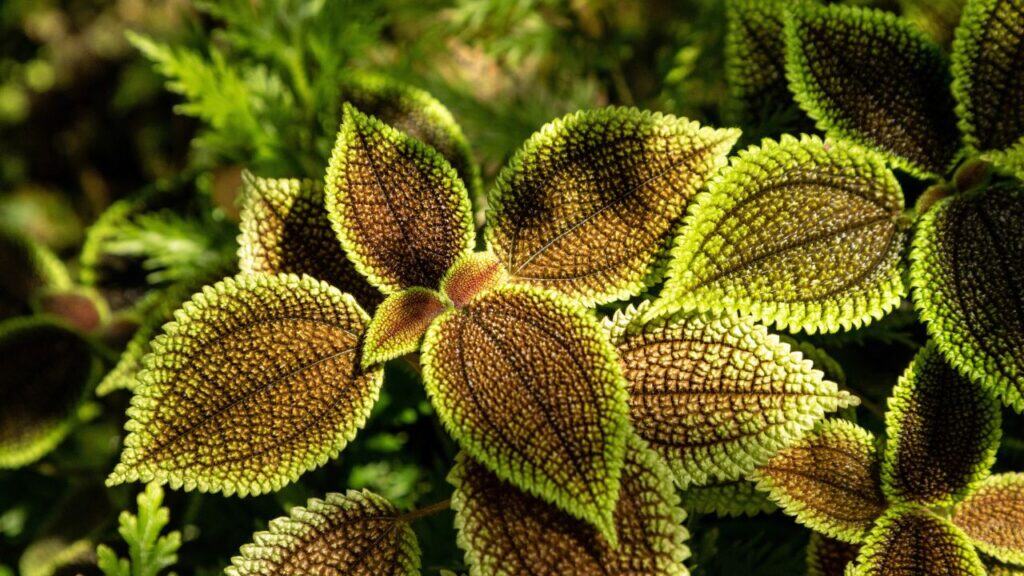
The friendship plant is known for its textured leaves and easy sharing, which fits the classroom vibe. It likes indirect light and steady warmth, and it struggles in direct sunlight. Keep the soil lightly moist, but don’t overdo much water.
Pinch stems to keep it bushy, then root cuttings to create new plants for other rooms. It’s a great way to build community without spending much, especially if you’re using gift cards to top up supplies. For variety, you can pair it with other common indoor plants like Chinese evergreens, African violets, cast iron plants, and rubber plants, depending on your light and space.
Easy-Care Classroom Plants Help Create a Positive Environment
Indoor classroom plants have a way of bringing a sense of calm to the classroom that’s hard to replicate. Not only that, but they do a great job of purifying the air, and are a low-maintenance way to lift your spirits throughout the school day.
I hope you try my recommendations for these easy-care classroom plants in your room, make the most of your space, and bring joy to your day at school, which is so important for your well-being.
WHILE YOU’RE HERE, GET YOUR FREE COPY OF THE WORKING SMARTER TIPS FOR TEACHERS. (It’s helping hundreds of teachers to work more productively at school, so they can get home sooner):
Related Posts
For more reading on ways to meet your needs and easy suggestions for Self-care, please read the following:
- 8 Simple Habits of Self-Care for Teachers
- The 3 Best Essential Oils for Teachers to Relax
- 5 Easy Ways to Relieve Teacher Stress
Remember you are worth it!
Michelle x
KEEP READING MORE FROM TEACH SMART WITH ME:
- 9 Quick Wins to Boost Teacher Energy, Naturally
- The Top 10 Things You Shouldn’t Say to a Teacher [To their face, anyway!]
- 3 Empowering Mindset Shifts for Teachers [That Will Change Your Life]
- Exposing 12 Self Care Myths: Important for Teachers to Know
- 6 Important Lessons I Learned from Teacher Burnout
Why not pin it for later!




great work thank you for sharing
You’re welcome Helene. I hope it’s been helpful for you. 🙂